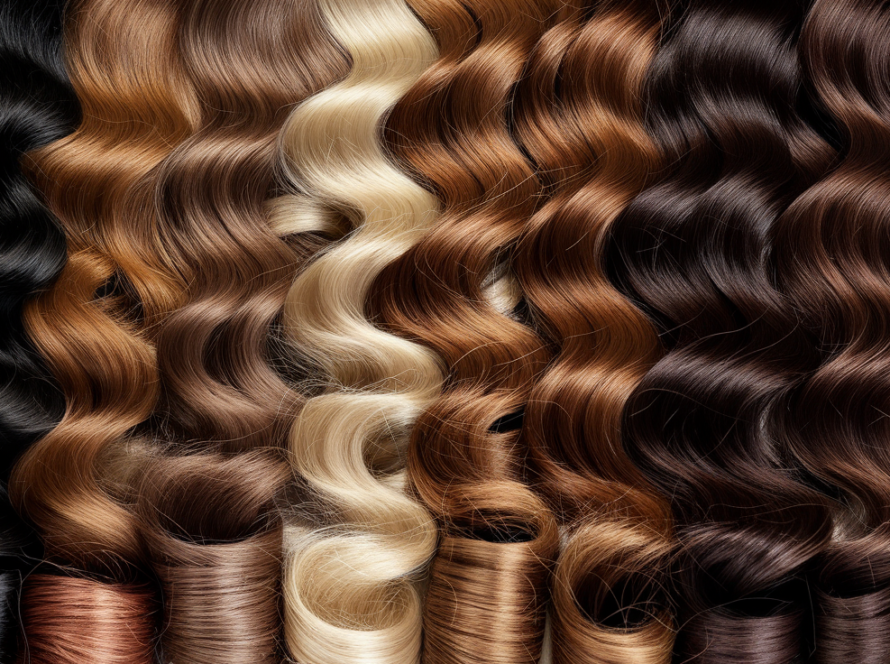


When you’re investing in hair extensions, wigs, or hairpieces, one of the most crucial distinctions to understand is the difference between real human hair and synthetic hair. This knowledge empowers you to make informed decisions, ensuring you get the look, feel, and longevity you desire.
So, how do you know if the hair is real human hair or synthetic? Let’s dive into the key indicators.
The Burn Test: A Definitive Method
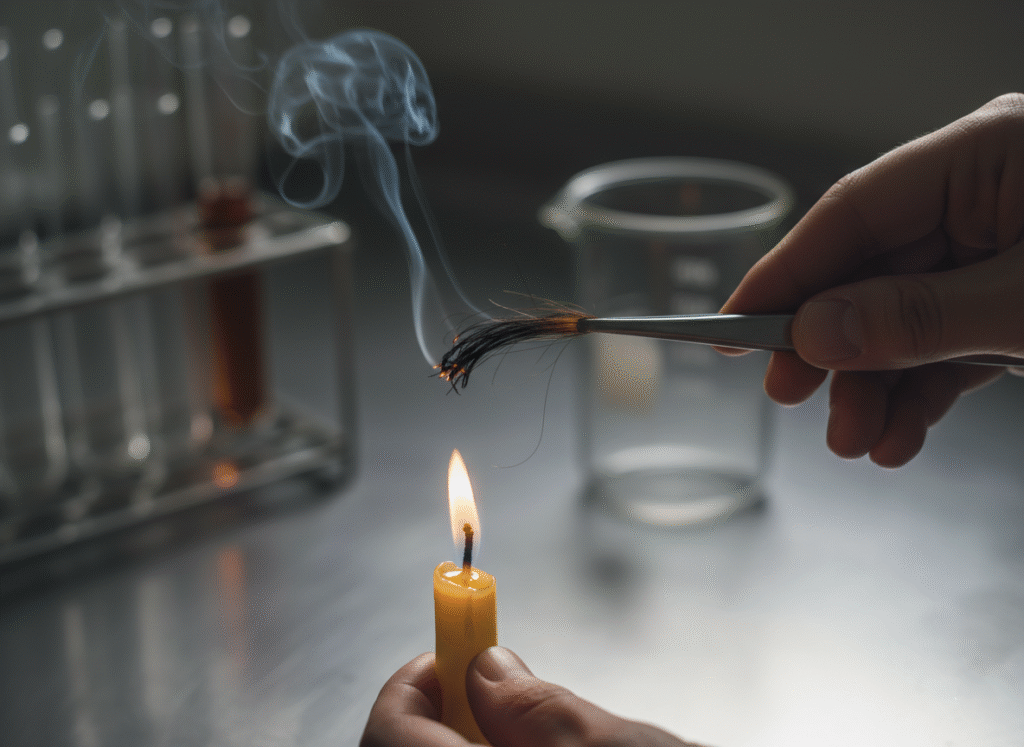
Perhaps the most conclusive way to differentiate between real and synthetic hair is the burn test.
How to perform the burn test:
- Carefully cut a small strand of hair from the product.
- Hold the strand with tweezers and bring it close to a flame (a lighter or candle works well).
What to look for:
- Real Human Hair: Will burn slowly, curl into a ball, and produce an odor similar to burning hair or feathers. It will turn into a fine ash that crumbles easily when touched.
- Synthetic Hair: Will melt quickly, shrivel, and often produce a black smoke and a smell like burning plastic. It will form a hard, black bead that is difficult to crush.
Here’s an example of what you might see when burning synthetic hair:
The Touch Test: Feeling the Difference
Even without a flame, you can often discern the type of hair by touch.
- Real Human Hair: Feels soft, smooth, and natural, much like your own hair. It has a natural luster and movement.
- Synthetic Hair: Can often feel coarser, stiffer, and sometimes has an unnatural “plastic-y” or overly shiny texture. While modern synthetic hair has improved significantly, it still often lacks the natural softness and flow of human hair.
The Visual Test: A Closer Look
Observe the hair closely under good lighting.
- Real Human Hair: Exhibits natural variations in color and texture, even within a single strand. It will have a subtle, natural sheen, not an overly glossy appearance. You might even see split ends, just like natural hair.
- Synthetic Hair: Tends to have a very uniform color and texture throughout. It often has a much shinier, almost plastic-like sheen, especially under direct light. Modern synthetic hair can mimic real hair very well, but often lacks that subtle, natural depth.
The Heat Test: Styling Capabilities
Real human hair reacts to heat styling tools (curling irons, flat irons) just like your own hair.
- Synthetic Hair: Most traditional synthetic hairs cannot withstand high heat and will melt or get damaged if you try to use heat styling tools on them. There are “heat-friendly” synthetic options available, but even these have limitations on temperature and may not hold styles as well as human hair. Always check the product description for heat tolerance if you’re considering synthetic options.
- Real Human Hair: Can be curled, straightened, and styled with heat tools at various temperatures. It holds a style well and can be re-styled multiple times.

The Wash Test: How it Behaves After Cleaning
Consider how the hair behaves after a gentle wash.
- Real Human Hair: Will respond to washing and conditioning similar to your own hair. It might become slightly frizzy if not conditioned, and will dry with its natural texture.
- Synthetic Hair: Often retains its original style even after washing, as the fibers are designed to hold their shape. It may dry very quickly and can sometimes look a bit “dull” or “dry” if not specifically formulated to mimic moisture.
Understanding the Importance of the Difference
Knowing whether you have real human hair or synthetic hair is crucial for several reasons:
- Styling Versatility: Real human hair offers unlimited styling options, just like your own hair.
- Durability and Longevity: Human hair, with proper care, can last much longer than synthetic hair.
- Natural Look and Feel: Human hair provides the most natural blend and movement.
- Maintenance: Care routines differ significantly between the two.
In conclusion, while modern synthetic hair has made incredible strides in mimicking human hair, several key tests and observations can help you confidently determine the authenticity of your hair product. When in doubt, the burn test remains the most definitive method to know for sure.